
What Determines Liability in a Houston Rideshare Accident?
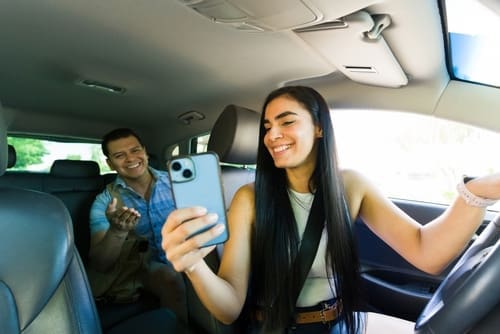
Liability in a Houston rideshare accident depends on who caused the crash, whether the rideshare driver was logged on to the app, and what Texas law says about the rideshare company’s responsibility. Unlike standard car accidents, rideshare collisions involve multiple insurance layers and recent legislative changes that directly affect compensation for injured victims. Whether you were a passenger, another driver, a cyclist, or a pedestrian, understanding fault assignment and insurance policy application is critical to protecting your claim.
If you or a loved one was injured in a rideshare crash, Payne Law Firm is here to help you navigate these complex claims. Call 713-223-5100 or reach out online to discuss your situation today.
Understanding Rideshare Liability Under Texas Law
Texas passed House Bill 1745, which changed the legal landscape for rideshare accident claims across the state. This law took effect September 1, 2023, and applies prospectively to claims arising after that date. It governs actions involving property loss, bodily injury, or death arising from use of a network vehicle while the driver or passenger was logged on to a rideshare company’s digital platform. The stated legislative intent behind H.B. 1745 was to ensure accident claims are resolved quickly while preserving insurance coverage obligations for injured victims.
Passengers generally hold a strong legal position after a crash because they are rarely at fault. When both drivers share fault, a passenger can file claims against both insurance policies, expanding potential recovery sources.
How Texas Law Limits Rideshare Company Liability
H.B. 1745 introduced a higher legal standard that injured victims must meet to hold a rideshare company vicariously liable for its driver’s actions. Under this law, a transportation network company cannot be held vicariously liable unless the claimant proves by clear and convincing evidence that the company was grossly negligent. This is significantly higher than ordinary negligence, and understanding its implications is essential for anyone evaluating rideshare liability in Houston.
The Gross Negligence Standard
Clear and convincing evidence requires more than showing the rideshare company could have acted differently. The claimant must demonstrate that the company’s conduct involved an extreme degree of risk and that the company had actual, subjective awareness of the risk yet proceeded with conscious indifference. The rideshare company must also have fulfilled all obligations regarding the driver under Chapter 2402 of the Texas Occupations Code for its liability shield to apply.
When the Liability Shield Does Not Apply
The liability limitation does not protect a rideshare company from its own direct negligence or gross negligence related to use of its digital network. For example, if a company allowed a driver to log on despite actual knowledge that the driver was disqualified, the company could still face direct liability. This distinction preserves accountability when the rideshare platform itself acted irresponsibly.
💡 Pro Tip: If you suspect the rideshare company knew about safety issues with your driver, such as prior complaints or a failed background check, share that information with your attorney immediately. It could be key to holding the company directly accountable.
Who Can Be Held Liable in a Houston Rideshare Crash?
Determining who is liable in a rideshare accident involves identifying every party whose negligence contributed to the crash. Potential at-fault parties may include the rideshare driver, another vehicle’s driver, the rideshare company itself, or even a third party such as a vehicle manufacturer. Thorough investigation is necessary to identify all possible recovery sources.
Multiple Sources of Insurance Coverage
The most common source of compensation for injured passengers is the at-fault driver’s bodily injury liability insurance. In a rideshare context, this could be the rideshare driver’s commercial policy, the other driver’s personal auto policy, or both. The rideshare company’s commercial insurance may also apply depending on the driver’s app status at the crash time.
- The rideshare company’s commercial policy typically applies when the driver was actively engaged in a ride or waiting for a match.
- The other driver’s liability insurance applies when a third-party driver caused or contributed to the crash.
- Uninsured/underinsured motorist coverage may become relevant if the at-fault driver lacks adequate insurance.
💡 Pro Tip: Do not accept any settlement offer from an insurance adjuster without first understanding all available coverage. Rideshare accidents often involve multiple policies, and accepting one offer too early could limit your ability to recover the full amount you deserve.
How a Rideshare Accident Attorney in Houston Can Help Establish Fault
Proving liability in a rideshare accident requires more than a police report, it demands evidence gathering, legal analysis, and knowledge of how rideshare insurance policies interact. A rideshare accident attorney in Houston can obtain the driver’s trip logs, app data, and insurance information to determine exactly what coverage was in effect. This process often involves formal discovery requests, because rideshare companies do not voluntarily hand over internal records.
An experienced rideshare accident attorney in Houston will also evaluate whether the rideshare company itself bears direct liability. Building this type of claim requires deep understanding of rideshare accident law in Texas and the ability to uncover how the company made internal decisions. If you are unsure where to begin, learning what to ask before hiring an attorney can help you find the right legal representation.
💡 Pro Tip: Write down everything you remember about the accident as soon as possible, road conditions, the driver’s behavior, and what was said at the scene. Detailed notes taken shortly after the crash carry more weight than memories recalled months later.
Statutes of Limitations for Rideshare Accident Claims in Texas
Texas imposes strict deadlines for filing rideshare accident lawsuits, and missing them can permanently bar your claim. Under the Texas Civil Practice and Remedies Code Chapter 16, the statute of limitations for personal injury claims, including rideshare accident injuries, is two years from the accident date. Property damage claims also carry a two-year deadline. Wrongful death claims arising from a fatal rideshare accident are likewise subject to a two-year statute of limitations under Texas civil limitations law.
If a lawsuit is not filed within the applicable limitations period, the injured party will likely lose the right to pursue the claim in court. Courts interpret exceptions to these deadlines narrowly, and tolling provisions do not apply automatically. Because rideshare accident claims can involve complex insurance negotiations that consume valuable time, consulting a rideshare accident attorney in Houston as early as possible is essential to preserve your legal options.
Defenses That May Reduce Your Compensation
Insurance companies and opposing parties may raise defenses designed to reduce the amount you recover, even when you were not at fault. For example, your compensation could be reduced if you were not wearing a seat belt at the accident time or if you knowingly accepted a ride from an obviously impaired driver. These comparative fault arguments do not eliminate your right to damages, but they can meaningfully reduce the final amount.
Texas follows a modified comparative fault system, meaning your recovery may be reduced by your percentage of responsibility. Being prepared for these arguments with documentation to counter them is essential to maximizing recovery. A Houston rideshare injury lawyer can anticipate these tactics and build your case to withstand them.
💡 Pro Tip: Preserve all medical records, rideshare receipts, and communication with insurance companies from the start. Organized documentation strengthens your position against comparative fault defenses and helps your attorney demonstrate the full scope of your losses.
Frequently Asked Questions
1. Who pays for my medical bills after a rideshare accident in Houston?
The at-fault driver’s bodily injury liability insurance is typically the primary source of compensation. In a rideshare accident, this could come from the rideshare driver’s policy, the other driver’s policy, or the rideshare company’s commercial policy depending on the driver’s app status.
2. Can I sue the rideshare company directly?
You may be able to hold the rideshare company directly liable if it was negligent in its own operations. Under Texas law, the company’s liability shield does not apply if the company had actual knowledge that a driver was disqualified yet allowed them to log on. A rideshare accident attorney in Houston can evaluate whether direct claims against the company are viable.
3. What is the deadline to file a rideshare accident lawsuit in Texas?
The statute of limitations for personal injury, property damage, and wrongful death claims from a rideshare accident in Texas is generally two years. This deadline runs from the accident date. Courts interpret exceptions narrowly, so it is important not to delay.
4. Does it matter whether the rideshare driver was logged on to the app?
Yes, the driver’s app status at the crash time is one of the most important factors in determining which insurance policy applies. H.B. 1745 specifically applies to claims arising while the driver or passenger was logged on to a rideshare company’s digital network.
5. What if both drivers were at fault for my rideshare accident?
If both drivers share fault, you may be able to file claims against both insurance policies. This can expand the pool of available compensation. A rideshare accident attorney in Houston can investigate the facts and pursue claims against all responsible parties.
Protecting Your Rights After a Houston Rideshare Accident
Rideshare accident liability in Houston involves a unique combination of state law, corporate insurance policies, and evolving legal standards that set these cases apart from ordinary car accidents. From understanding the gross negligence threshold under H.B. 1745 to identifying every available insurance policy, these claims demand careful legal analysis and prompt action. The two-year statute of limitations leaves no room for delay, and critical evidence can vanish quickly.
If you were injured in a rideshare accident, Payne Law Firm is ready to fight for the compensation you deserve. Call 713-223-5100 or contact us today to schedule your consultation with a rideshare accident attorney in Houston who understands these complex cases.