

When Partial Fault Doesn’t Mean Complete Loss
You’ve been in a car accident, and the insurance company claims you’re 49% responsible. Does this mean your legal options are over? Not in Texas. Understanding how Texas comparative negligence laws work could mean the difference between recovering compensation and walking away empty-handed. Many accident victims mistakenly believe that being partially at fault eliminates their right to compensation, but Texas law tells a different story.
💡 Pro Tip: Document everything at the accident scene – even small details about road conditions, weather, or the other driver’s behavior could significantly impact your fault percentage determination.
Don’t let partial fault stand in the way of justice. At Payne Law Firm, we understand your situation and are ready to help you chart a path to recovery. Reach out to us at 713-223-5100 or contact us for a consultation today.
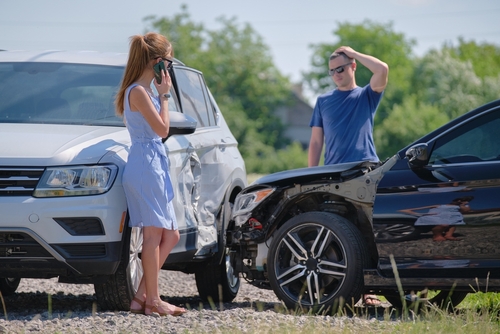
Texas Comparative Negligence Laws: Your Rights at 49% Fault
Since September 1, 1973, when Article 2212a took effect in Texas, the state has operated under modified comparative negligence rules. Under Comparative Negligence in Texas, you can still pursue compensation as long as you’re not more than 50% responsible for the accident. At 49% fault, you remain eligible to recover 51% of your total damages. A car accident attorney in Houston can help navigate these complex calculations and ensure insurance companies don’t unfairly assign you a higher fault percentage.
This modern system recognizes that accidents rarely involve just one negligent party, proving crucial for victims who made minor errors while the other driver committed major violations. Working with a car accident attorney in Houston becomes essential when fault percentages are close to the 50% threshold, as even a small adjustment can determine whether you receive compensation.
💡 Pro Tip: Never admit fault or give recorded statements to insurance companies without legal guidance – your words can be used to increase your fault percentage beyond what evidence actually supports.
The Critical Timeline After Your Accident
Time works against accident victims in multiple ways. Texas law provides specific deadlines, and evidence can disappear quickly. Based on 2023 Texas crash statistics, which showed 15,227 serious injury crashes with 18,765 people sustaining serious injuries, quick action becomes critical. Your car accident attorney in Houston will need time to investigate, gather evidence, and build a strong case challenging unfair fault assignments.
- First 24 hours: Seek medical attention and report the accident to police – creating official records documenting injuries and initial fault determinations
- First week: Gather witness statements while memories remain fresh
- First month: Preserve physical evidence including vehicle damage photos, surveillance footage, and accident scene conditions
- Within 2 years: File your lawsuit before Texas’s statute of limitations expires
- 3-6 months: Complete discovery process where both sides exchange evidence that could adjust fault determinations
💡 Pro Tip: Request traffic camera footage immediately – many systems only store recordings for 30 days, and this evidence often provides objective proof of fault percentages.
Fighting Back with a Car Accident Attorney in Houston
Insurance companies routinely inflate victim fault percentages to reduce payouts. They know that pushing someone from 49% to 51% fault eliminates their entire claim under Texas law. Payne Law Firm understands these tactics and knows how to counter them effectively. Our team analyzes accident reconstruction reports, challenges biased witness statements, and presents evidence that accurately reflects each party’s true responsibility.
Texas car accident attorney representation becomes even more valuable with serious injuries. The 2023 data showing one person killed every 2 hours 2 minutes on Texas roads underscores crash severity. When injuries are severe, accurate fault determination becomes crucial. A car accident attorney in Houston will fight to ensure you’re not unfairly blamed when the other driver bears primary responsibility. Call 713-223-5100 to discuss your specific situation.
💡 Pro Tip: Keep a detailed journal of how your injuries affect daily life – this documentation helps establish damages even when you share partial fault in the accident.
Common Scenarios Where 49% Fault Still Allows Recovery
Real accident scenarios help illustrate how partial fault works in practice. Many Houston car accident lawyer cases involve complex fault distributions where multiple factors contributed to the crash. The key lies in accurately assigning percentages based on each party’s actual negligence level.
Intersection Accidents with Shared Responsibility
Consider a driver who enters an intersection on a yellow light while another runs a clear red. The yellow-light driver might receive 20-30% fault while the red-light runner bears 70-80%. Even if the yellow-light driver’s percentage increases to 49%, they can still recover damages. These cases require careful analysis of traffic signal timing, vehicle speeds, and witness observations. A Houston personal injury attorney can challenge unfair fault assignments by demonstrating the other driver’s more egregious violation.
💡 Pro Tip: Always check for businesses near accident intersections – their security cameras often capture crashes and provide indisputable evidence of signal timing and driver behavior.
Calculating Damages at 49% Fault
Understanding damage calculations when partially at fault helps set realistic expectations. Texas law reduces your recovery by your fault percentage. If total damages equal $100,000 and you’re 49% at fault, you can recover $51,000. This reduction applies to all damage categories, from medical bills to lost wages. Even when the other driver’s insurance minimums cover only a fraction of your losses, a Houston auto accident attorney ensures all damages get properly calculated before applying fault reductions.
Hidden Damages Often Overlooked
Beyond obvious medical bills and car repairs, many damages escape initial calculations. Future medical needs, permanent limitations, and reduced earning capacity often represent substantial losses. The 2023 Texas crash statistics showing rural areas accounting for 51.92% of traffic fatalities highlight how accident severity varies. Serious crashes often involve long-term consequences requiring comprehensive damage assessments. Working with a car accident lawyer Houston Texas ensures these future losses get included in settlement negotiations.
💡 Pro Tip: Get evaluated by medical specialists early – their assessments of permanent injuries and future treatment needs significantly impact damage calculations even with partial fault.
Frequently Asked Questions
Understanding Fault and Recovery in Texas
Accident victims often have similar concerns about pursuing claims when partially at fault. These questions address the most common worries about Texas comparative negligence laws.
💡 Pro Tip: Write down all questions before meeting with an attorney – this ensures you get complete answers about how fault affects your specific case.
Taking Action Despite Partial Fault
Moving forward with a claim requires understanding both your rights and the practical steps involved. Comparative Negligence in Texas provides recovery opportunities that many accident victims don’t realize exist.
💡 Pro Tip: Start your claim process immediately even if fault seems unclear – waiting only makes it harder to gather evidence that could reduce your fault percentage.
1. Can the other driver’s insurance company change my fault percentage after initially accepting their client was primarily responsible?
Yes, insurance companies can adjust fault determinations as new evidence emerges. This is why having a Houston car accident attorney protecting your interests remains crucial throughout the claims process. They often try increasing victim fault percentages to reduce payouts, especially as claim values increase.
2. What happens if I’m found to be exactly 50% at fault for my Houston car accident?
At exactly 50% fault, you can still recover damages under Texas law. The critical threshold is being MORE than 50% at fault. However, this close margin means any small adjustment could affect your eligibility, making experienced legal representation essential.
3. How do Texas comparative negligence laws differ from other states’ approaches to shared fault?
Texas follows a modified comparative negligence system with a 51% bar. Some states use pure comparative negligence allowing recovery even at 99% fault, while others follow contributory negligence barring any recovery with minimal fault.
4. Will my partial fault affect my ability to recover non-economic damages like pain and suffering?
Your fault percentage reduces all damage types equally, including non-economic damages. If you’re 49% at fault, you recover 51% of pain and suffering awards just like economic damages. A skilled Houston car accident lawsuit attorney ensures these subjective damages get properly valued before reductions.
5. Should I accept a settlement offer if the insurance company says I’m 49% at fault?
Never accept settlements without legal review, especially when fault percentages are disputed. Insurance companies may inflate your fault to reduce payouts. A Texas car accident compensation attorney can evaluate whether the fault assignment is fair and if the reduced settlement adequately covers your damages.
Work with a Trusted Car Accidents Lawyer
When fault percentages threaten your ability to recover fair compensation, having experienced legal guidance makes the difference. Texas car accident cases involving shared fault require careful evidence analysis, strategic negotiations, and sometimes aggressive litigation to protect victim rights. Understanding that you can still recover substantial compensation at 49% fault opens doors many accident victims assume are closed. The key lies in accurately establishing fault percentages and ensuring all damages get properly calculated. Don’t let insurance companies convince you that partial fault eliminates your rights – Texas law provides important protections for accident victims who share responsibility. Contact Payne Law Firm at 713-223-5100 to discuss your case and learn how we can help maximize your recovery despite partial fault.
If you’re finding yourself tangled in the complexities of partial fault, don’t navigate it alone. Reach out to Payne Law Firm for guidance, and let us help you pursue the compensation you deserve. Call us at 713-223-5100 or contact us today to discuss your road ahead.