

When Vehicle Inspection Records Become Critical Evidence After Your Rideshare Crash
If you’ve been injured in a rideshare accident in Charlotte, the vehicle’s inspection history could make or break your case. North Carolina requires annual safety inspections for all vehicles, including those used by Uber and Lyft drivers, examining everything from brakes to headlights. When a rideshare driver fails to maintain proper inspections or their vehicle has safety defects, this documentation becomes powerful evidence for your injury claim. Understanding how these inspection requirements work can significantly strengthen your position when seeking compensation.
💡 Pro Tip: Request the rideshare vehicle’s inspection records immediately after your accident — North Carolina TNC regulations require transportation network companies to maintain records of each TNC service and each TNC driver for one year from the date the service occurred or the driver relationship ended, but the law does not specifically set retention periods for vehicle inspection records.
If you’re facing the aftermath of a rideshare accident in Charlotte, let Payne Law Firm navigate the complex world of inspection records to build your case and seek justice. Whether it’s vehicle defects or inspection lapses, our dedicated team is ready to bolster your claim for a stronger recovery. Don’t delay—reach out to us today at 704-529-9000 or contact us to get started.
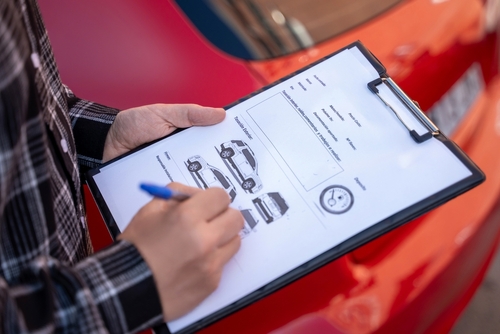
Your Rights When Rideshare Vehicles Fail North Carolina’s Safety Standards
North Carolina law mandates that transportation network companies require their drivers to have vehicles inspected annually to meet state safety requirements. These inspections examine critical systems including headlights, foot brakes, steering mechanisms, tires, horns, rearview mirrors, windshield wipers, exhaust systems, and emission control components. When working with a rideshare accident attorney in Charlotte, this comprehensive inspection requirement creates multiple avenues for establishing liability if mechanical failures contributed to your crash.
The North Carolina safety inspection process serves as more than just a bureaucratic requirement – it creates a documented trail of vehicle maintenance that becomes crucial evidence in accident litigation. Failure to obtain required inspections by the due date results in the vehicle’s registration being blocked, meaning any rideshare driver operating with an expired inspection faces both administrative consequences and potential liability issues. This regulatory framework provides injured passengers with strong legal grounds when inspection lapses or unaddressed defects contribute to accidents.
💡 Pro Tip: Check if the accident occurred in one of the 19 North Carolina counties requiring emissions inspections – additional testing requirements mean more potential safety violations to investigate.
The Critical Timeline: From Inspection Requirements to Your Accident Claim
Understanding the inspection timeline helps your rideshare accident attorney in Charlotte build a stronger case. Vehicles can be inspected no more than 90 days before registration expires, creating specific windows when drivers must ensure their vehicles meet safety standards. This timeline becomes particularly important when determining whether a vehicle had valid inspections at the time of your accident.
Annual inspections required for all registered vehicles (except those 30+ years old); vehicles more than 30 years old are exempt from safety inspections and vehicles with antique automobile license plates (for vehicles 30+ years old) are exempt from both safety and emissions inspections.
90-day window before registration expiration for completing inspections
TNCs must maintain records of each TNC service and each TNC driver for one year after the service occurred or the driver relationship ended (the statute does not specifically set retention periods for vehicle inspection records).
Registration blocked immediately upon inspection expiration – creating clear violation evidence
19 counties require simultaneous emissions testing, adding another compliance layer
💡 Pro Tip: Act quickly to preserve evidence — North Carolina TNC regulations require TNCs to keep records of each service and each driver for one year, but the statute does not specifically address how long vehicle inspection records are retained; request inspection records promptly.
Building Your Case: How Payne Law Firm Uses Inspection Records to Maximize Your Recovery
When you work with a rideshare accident attorney in Charlotte at Payne Law Firm, inspection records become powerful tools for proving negligence. Our team understands how to leverage North Carolina’s strict inspection requirements to demonstrate when rideshare companies or their drivers failed to maintain safe vehicles. By examining inspection histories, identifying missed deadlines, and uncovering unaddressed safety defects, we build compelling cases that often lead to higher settlements or verdicts for injured passengers.
The intersection of TNC regulations and traditional vehicle safety laws creates unique opportunities for recovery. G.S. 20-280.5 TNC Safety Requirements specifically mandates that rideshare companies must require their drivers to have their vehicles inspected annually to meet State safety requirements, placing a policy requirement on companies like Uber and Lyft. This corporate liability, combined with evidence of inspection failures, often motivates quick and favorable settlements when handled by experienced legal counsel who understands these complex regulations.
💡 Pro Tip: Document everything at the accident scene, including the vehicle’s license plate and any visible defects – this information helps attorneys quickly access inspection records before they’re destroyed.
Hidden Defects: What Charlotte Rideshare Inspections Actually Reveal
Annual inspections uncover safety issues that might otherwise go unnoticed until they cause devastating accidents. When a rideshare accident attorney in Charlotte investigates your case, inspection records often reveal patterns of deferred maintenance or chronic problems that drivers ignored. These documented deficiencies transform from minor violations into major liability factors when they contribute to passenger injuries.
Critical Systems That Failed Inspections Examine
The comprehensive nature of North Carolina’s inspection requirements means multiple vehicle systems receive scrutiny. Brake failures remain one of the most common inspection failures linked to rideshare accidents, particularly in Charlotte’s stop-and-go traffic conditions. Tire wear, steering problems, and visibility issues from faulty headlights or worn wipers also frequently appear in both inspection failures and accident reports. Understanding these connections helps attorneys establish clear causation between inspection deficiencies and crash injuries.
💡 Pro Tip: If you noticed any vehicle problems during your ride (squealing brakes, bald tires, dashboard warning lights), mention these observations to your attorney – they often correlate with recent inspection failures.
TNC Display Requirements: More Than Just Identification
Beyond mechanical inspections, North Carolina rideshare laws mandate specific display requirements that affect accident claims. TNCs must provide distinctive signage readable at 50 feet during daylight and illuminated signs visible in darkness. Drivers must also display their license plate number in a front-visible location with letters at least three inches high. When these requirements aren’t met, it raises questions about overall compliance and safety consciousness.
How Missing Signage Impacts Your Injury Claim
Failure to display proper TNC identification suggests broader compliance issues that strengthen accident claims. When drivers skip basic requirements like proper signage, they often neglect more critical safety obligations like vehicle inspections. This pattern of non-compliance helps establish negligence, particularly when combined with mechanical failures or inspection violations. Your rideshare accident attorney in Charlotte can use these seemingly minor violations to demonstrate a pattern of disregard for passenger safety.
💡 Pro Tip: Take photos of the rideshare vehicle’s exterior after an accident – missing or improper signage violations add credibility to claims about other safety failures.
Frequently Asked Questions
Understanding Your Rights After a Rideshare Accident
Charlotte residents injured in rideshare accidents often have questions about how vehicle inspections affect their cases. These inspection requirements create unique legal opportunities that don’t exist in typical car accident claims.
💡 Pro Tip: Call 704-529-9000 to speak with Payne Law Firm about your rideshare accident – initial consultations help preserve time-sensitive evidence.
Next Steps After Your Rideshare Injury
Taking immediate action protects your rights and preserves critical inspection evidence. Understanding the legal process helps you make informed decisions about your recovery options.
💡 Pro Tip: Request a copy of the police report and any citations issued – inspection violations noted by officers strengthen your injury claim significantly.
1. How do North Carolina rideshare vehicle inspection laws differ from regular vehicle requirements?
While all North Carolina vehicles need annual safety inspections, rideshare vehicles face additional scrutiny because TNCs must actively verify and maintain records of driver compliance. Charlotte rideshare vehicle inspection laws require companies to require their drivers meet all safety standards, creating corporate liability beyond individual driver responsibility. This dual-layer requirement often provides injured passengers with multiple defendants and insurance policies to pursue.
2. What happens if the rideshare vehicle that hit me had expired North Carolina safety inspections?
An expired inspection creates strong evidence of negligence in your favor. North Carolina rideshare safety laws block vehicle registration renewal without current inspections, meaning the driver knowingly operated illegally. This violation helps establish liability and often increases settlement values, especially when inspection failures relate to the accident cause (like brake or tire problems).
3. Can I sue both the rideshare driver and company for inspection violations in Charlotte?
Yes, NC TNC vehicle requirements place responsibility on both drivers and companies. The rideshare company must require annual inspections and maintain compliance records, while drivers must actually complete them. When seeking rideshare accident legal help in Charlotte, attorneys often pursue both parties, particularly when corporate oversight failures enabled dangerous vehicles to transport passengers.
4. How long do I have to file a claim related to rideshare vehicle safety requirements in NC?
North Carolina’s statute of limitations for personal injury claims is typically three years, but evidence preservation requires faster action. Since North Carolina TNC regulations require TNCs to maintain records of each service and each driver for one year after the service occurred or the driver relationship ended, but do not specifically address retention of vehicle inspection records, contacting a NC rideshare accident lawyer immediately protects your access to critical inspection and maintenance documentation that could disappear.
5. What compensation can I receive if vehicle defects contributed to my Charlotte rideshare injury?
Inspection violations and vehicle defects often lead to higher compensation because they demonstrate clear negligence. Beyond medical expenses and lost wages, you may recover additional damages for the enhanced danger created by safety violations. A rideshare vehicle defect attorney in Charlotte can identify all responsible parties, from drivers to TNCs to potentially negligent inspection stations.
Work with a Trusted Rideshare Accidents Lawyer
Vehicle inspection requirements create unique opportunities for rideshare accident victims to prove negligence and maximize recovery. Understanding how Charlotte TNC inspection claims work requires deep knowledge of both state vehicle safety laws and evolving rideshare regulations. The attorneys at Payne Law Firm combine this technical knowledge with compassionate client service, helping injured passengers navigate complex claims while focusing on their physical recovery. Call 704-529-9000 to discuss how inspection violations might strengthen your rideshare accident case.
Facing challenges after a rideshare accident in Charlotte? Let Payne Law Firm steer you through the intricacies of inspection records to fortify your claim. Start your journey toward justice by calling 704-529-9000 or contact us.